

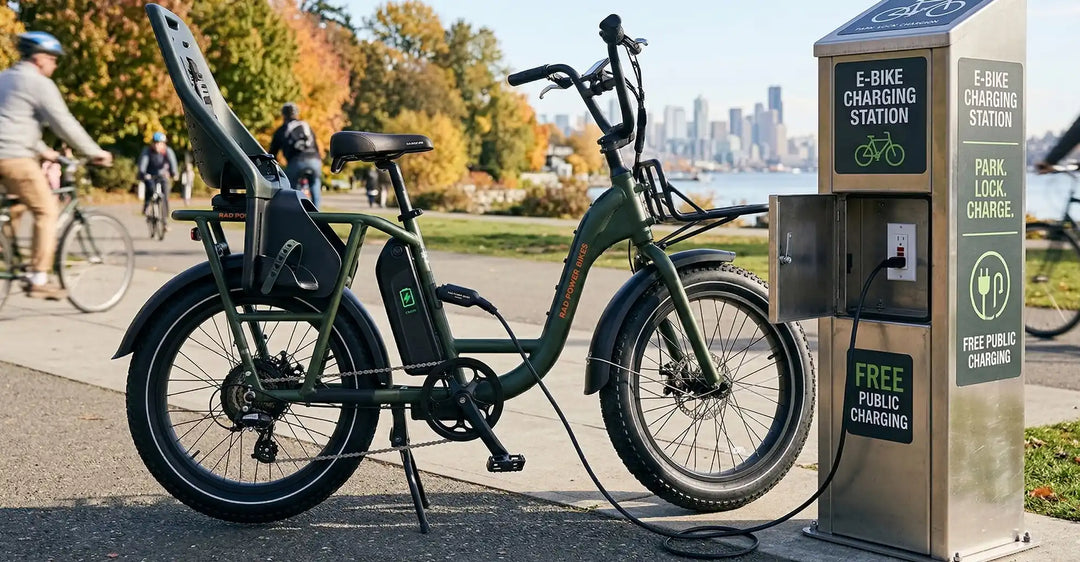
Most e-bikes go 20–60 miles on a single charge. That range changes with battery size, assist level, terrain, rider weight, and temperature. A bike marketed at 80 miles might deliver 35–40 miles for a heavier rider on hilly roads in winter. Specs and real-world riding rarely match.
At eBikeling, we believe riders deserve straight answers, not optimistic lab numbers. This guide explains what determines how far electric bikes go, what realistic mileage looks like across common setups, and how to get more miles from your electric bike battery.
How Far Do Electric Bikes Go in Practice?
Here's an honest breakdown by battery size and riding conditions:
| Battery Size | Easy Flat Ride | Mixed Urban Riding | Hilly / High Assist |
|---|---|---|---|
| 250–300Wh | 20–30 miles | 15–22 miles | 10–15 miles |
| 400–500Wh | 35–55 miles | 25–40 miles | 18–28 miles |
| 600–750Wh | 55–75 miles | 40–55 miles | 28–40 miles |
| 1000Wh+ | 75–100+ miles | 55–80 miles | 40–60 miles |
For most daily commuters riding 10–20 miles round trip, a 400–500Wh battery is enough. For longer rides or loaded touring, a 600Wh+ pack or a setup that supports a second battery is often worth the investment.
What Determines How Far an Electric Bike Goes?
E-bike range is the distance you can ride on a single battery charge before the motor assistance cuts out. When you see a brand claim "100-mile range," that typically means 1000Wh battery + eco mode + flat road + 150 lb rider. A very specific set of conditions most riders never encounter together. The factors below are what actually move that number up or down.
Battery Capacity (Wh)
This is the single biggest variable. Battery capacity is measured in watt-hours (Wh), which tells you how much total energy the pack stores. A 500Wh battery holds about twice the energy of a 250Wh battery, which usually translates into more miles per charge.
To estimate range, divide battery capacity by the energy consumption rate. A typical e-bike uses between 10 and 25 Wh per mile, depending on conditions. So a 480Wh battery on a moderate ride at around 15 Wh/mi would theoretically last about 32 miles. Add hills or heavy throttle use, and that number drops fast.
Motor Power and Assist Level
A 250W motor on eco assist can deliver far more range than a 750W motor running at full output. The relationship is direct: more power drawn from the battery means fewer miles. Dropping from “high” to “eco” can sometimes double how far you go on a single charge.
Rider Weight and Cargo
More weight takes more energy to move. A 150 lb rider on a lightly loaded bike will usually out-range a 250 lb rider carrying gear on the same bike with the same battery.
Terrain
Flat pavement is where rated ranges live. Every hill you climb costs energy, and regenerative braking (available on some direct-drive motors) only recaptures a fraction of it on the descent. Gravel, sand, and rough roads add rolling resistance that quietly drains the battery in the background.
Speed
Riding at 20 mph uses more energy per mile than cruising at 14 mph because wind resistance rises with the square of speed. Dropping your speed a few mph on a long ride can noticeably extend your electric bicycle range.
Temperature
Cold weather reduces lithium battery performance. Below 40°F, capacity can temporarily drop by 10–20%, and in freezing conditions it can fall even more. If you ride year-round, plan for a shorter range during winter months.
Does Motor Wattage Affect How Far Ebikes Can Go?
Yes, but it works differently than most people assume. Higher-wattage motors don’t always mean shorter range, because it depends on real-time motor load, not just peak rating.
A 1000W motor cruising on flat ground at low assist may draw only 150–200W in practice, so it can last nearly as long as a 500W motor in the same conditions.
The gap shows up under load. Climbing hills, carrying weight, or riding at top speed makes a higher-powered motor drain the battery faster because it pulls more current to meet the demand.
Electric bike range and speed are tied to motor demand. Push the motor harder and your range drops. Choose a motor that fits your typical terrain instead of chasing the highest watt rating.
How to Get More Miles Out of Every Ebike Charge

Getting the most from your e-bike range isn't about buying a bigger battery every time. It's mostly about how you ride.
-
Use a lower assist level: Dropping from “high” to “medium” can extend range by 30–50% on most bikes. If you can pedal comfortably on medium, there’s little reason to use high on flat ground.
-
Pedal through acceleration: Starting from a stop is the biggest draw on the battery. Pedal hard for the first few seconds to get up to speed with less motor help.
-
Keep tires properly inflated: Soft tires raise rolling resistance significantly. Check tire pressure before longer rides.
-
Plan routes with terrain in mind: If you have two route options, the flatter one often extends your range. The difference can be meaningful on longer trips.
-
Don’t run the battery to 0%: Regularly draining a lithium battery to 0% shortens its lifespan. Aim to finish rides with 10–15% remaining.
-
Store the battery at room temperature: Leaving it in a freezing garage overnight reduces capacity before you even start. Keep it indoors before cold-weather rides when possible.
When Should You Upgrade Your Battery?
If your battery no longer reaches the distances it used to, or your routes changed and you regularly run low, a higher-capacity replacement makes sense. Newer cells can deliver more usable energy in lighter, longer-lasting packs than older models.
Ready to stretch your range? Browse eBikeling's selection of high-capacity e-bike batteries, from 36V to 52V packs designed to work with a wide range of conversion kits and setups. More battery means more freedom. And if you're building or upgrading your whole setup, start at eBikeling.com to find motors, kits, and accessories matched to your riding goals.
The Bottom Line on E-Bike Range
How far do electric bikes go? Realistically, 20–60 miles covers the majority of riders in everyday use. Long-range builds with large batteries can push 80–100 miles under the right conditions. But range isn't just a battery spec. It's the product of every decision you make about how you ride, what you carry, and how you maintain your setup.
Match your battery to your typical ride distance, learn how assist levels affect consumption, and you’ll rarely run out of charge at the wrong time.