

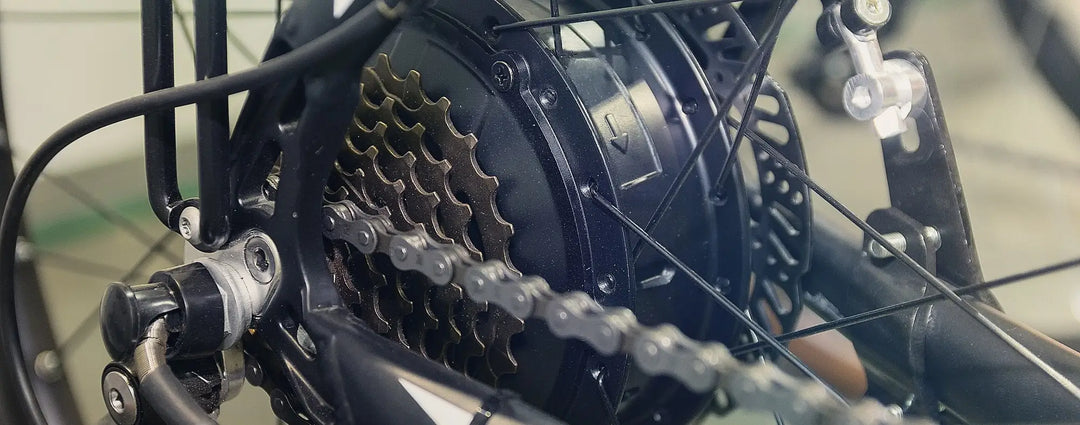
Converting your regular bike into an electric bike is easier than ever. E-bike conversion kits give you a practical way to add power for hills, range, or daily rides. With everything from simple plug-in setups to serious performance systems, every rider can find a match.
At eBikeling, we've built this guide to help you compare the best electric bike conversion kits. You’ll see what makes each model stand out, what matters during installation, and how to check compatibility and local rules. Whether you prefer doing your own upgrades or letting a pro handle it, this guide keeps the decision clear.
Top Electric Bike Conversion Kits for 2026
E-bike conversion kits vary widely in design and riding style. To help you sort through the market, here’s a list of standout models known for real-world reliability and strong performance.
1. eBikeling 48V 1200W Direct-Drive: High Power for Exceptional Performance
The eBikeling 48V 1200W is a high-performance conversion kit that excels in delivering powerful torque and excellent hill-climbing capabilities. While positioned at a higher price point and carrying slightly more weight than some other models, its exceptional quality and robust power output make it an outstanding choice for riders seeking a premium riding experience with reliable long-term performance.
- Features: 1200W direct-drive motor, PAS/throttle modes, sleek design, advanced ebike display, and high speed.
- Pros: Strong performance across varied terrain, smooth pedal assist feel, customizable settings, premium build quality, and intuitive controls.
- Cons: Moderate installation skill required, heavier.

2. eBikeling 3000W Direct-Drive: Maximum Hub Motor Power
This eBikeling 3000W Direct-Drive is a high-torque, high-speed electric bike conversion kit built for serious riders. Best for off-road, private land, or special use — not for casual commutes. Needs a powerful battery, tough frame, and proper brake upgrades.
- Features: 3000W brushless direct-drive motor (4,300W peak), supports 60V–72V batteries, fits 20” FAT, 26” FAT, and 29” MTB wheels, large LCD for ride stats.
- Pros: Massive power (50+ mph with 72V), high torque for hills and cargo, strong acceleration, and low-maintenance motor.
- Cons: Pricy, advanced installation, not for casual use or all regions.
3. Bafang BBS02B: Mid-Drive Motor with Superior Torque
The Bafang BBS02B provides impressive torque and hill power through its mid-drive system. It’s a durable, adjustable option for dedicated cyclists, though the install requires more patience and the system adds noticeable weight.
- Features: 48V/750W mid-drive motor, torque sensor, PAS/throttle options, various batteries.
- Pros: Strong torque, effective hill performance, durable, and customizable.
- Cons: Complex installation, limited compatibility, and heavier.

4. Swytch: Compact and Lightweight for Easy Installation
Swytch is great for urban commuters and casual riders seeking a simple, lightweight conversion. Its ease of installation and portability are key advantages, though it may not be suitable for challenging terrains due to its lower power.
- Features: Lightweight (2.9kg) hub motor, pre-assembled wheel, throttle/PAS, Bluetooth.
- Pros: Easy installation, great for commuting, portable, and app connectivity.
- Cons: Lower power (250W), limited range (20–30km), not suited for hills.
5. eBikeling 48V 1500W Direct-Drive: Premium Power for Demanding Riders
The eBikeling 48V 1500W Direct-Drive kit offers reliable mid-range power with low-maintenance performance — great for commuting, weekend rides, or light off-road use. Multiple battery options let riders customize range and output.
- Features: 1500W brushless direct-drive motor, compatible with 26", 26" FAT, 700C, and MTB wheels. Works with 48V batteries. Includes controller, display, throttle, and brake levers. Front and rear options available.
- Pros: Smooth, quiet power with reliable hill torque, fits various wheel sizes, well-reviewed by users.
- Cons: Heavier than geared motors, needs some installation skill, brake upgrades advised for high speeds.
6. Cytronex: High Power Rear Hub Motor
The Cytronex kit delivers a lively ride with speeds up to 45km/h and effective regenerative braking. It is bulkier and needs some technical skill during installation, yet the power and value make it an appealing option.
- Features: 1000W rear hub motor, speed levels, throttle/PAS, LCD display, regenerative braking.
- Pros: High power and speed, efficient braking, large display, good value.
- Cons: Bulkier, may not be legal everywhere, and moderate installation skills are needed.
7. eBikeling 36V 750W Geared Ebike Conversion Kit: Geared Hub Motor for Smooth Pedaling
The eBikeling 36V 750W offers an excellent balance of power and efficiency, making it ideal for everyday commuting and leisure. Its user-friendly installation and high torque are huge benefits, though it's not recommended on extremely bumpy terrain.
- Features: 750W geared hub motor, smooth pedaling, integrated brake sensors, multiple wheel sizes (26", 700c), Dolphin LG batteries.
- Pros: Great value, high torque, easy installation, ideal for commuting, quiet, well-reviewed.
- Cons: Not recommended for bumpy roads.

8. Voilamart Electric Bicycle Kit: Affordable Rear Wheel Motor
The Voilamart kit is a budget-friendly option for riders who want a powerful motor for commuting or leisure. Installation is simple, though long-term durability and component quality trail behind premium kits.
- Features: 48V/1000W rear motor, PAS/throttle, LCD display, and easy installation.
- Pros: Budget-friendly, powerful motor, simple installation, complete kit.
- Cons: Lower component quality, limited warranty, and less durable.
9. Zehus: All-in-One Hub with Regenerative Braking
The Zehus all-in-one electric bike conversion kit combines the motor and battery inside the rear hub for a clean, cable-free look. Regenerative braking helps recharge while riding, and the smartphone app gives easy access to ride settings. It suits city riders who want a quiet, low-maintenance setup.
- Features: Rear hub motor with built-in battery, regenerative braking, app-controlled functions, clean setup with no extra wiring.
- Pros: Lightweight, quiet, low-maintenance, easy to install.
- Cons: Lower power and range, full hub replacement needed when the battery expires.
10. CYC X1 Pro Gen 4: Extreme Mid-Drive Power
The CYC X1 Pro Gen 4 is a high-torque mid-drive kit built for riders who want serious power. It delivers strong performance on steep, technical terrain and offers deep tuning options, but it requires a reinforced frame and skilled installation. It is not suited for casual use or regular city riding.
- Features: Ultra-powerful 6,000W mid-drive motor, torque sensing, supports 72V+ batteries, fully programmable controller, built for high-performance off-road use.
- Pros: Massive torque, uses bike gears for improved efficiency, balanced weight, ideal for demanding off-road or racing-level e-bike conversions.
- Cons: Needs reinforced drivetrain and brakes, complex install, high cost, may void frame warranty, not street legal in many areas.
Criteria for Choosing an Electric Bike Conversion Kit
A few factors play a key role in choosing the perfect e-bike conversion kit. We've considered these elements and curated a list to help you find the ideal match for your two-wheeled adventure:
| Factor | Considerations | Key Notes & Example Kits |
|---|---|---|
| Motor Type: Hub or Mid-Drive? | • Hub motors: simpler installation and easy upkeep • Mid-drive motors: stronger torque, balanced feel, better hill power |
• eBikeling and Voilamart = everyday riding (hub) • Bafang BBS02B = stronger hill-climbing (mid-drive) |
| Battery Power: Fuel for the Journey | • Higher capacity = longer range and added weight • Battery chemistry affects charge time and lifespan |
• LaVita Boost and Swytch = short city trips • eBikeling 48V 1200W kit = long-distance riding |
| Weight & Compatibility: Perfect Fit | • Must match wheel size and frame geometry • Weight affects stability and handling |
• Swytch = lightweight choice • eBikeling 48V 3000W Beast = needs a strong frame |
| Installation Ease: DIY or Pro? | • Some kits suit first-time installers • Others need tools or professional setup |
• Swytch and Cytronex = quick installs • Bafang BBS02B = better for skilled users |
| Purpose: Commuting, Leisure, or Speed? | • Choose according to terrain, distance, and riding style | • Nano (Brompton) = tight city routes • eBikeling 48V 3000W Beast = high-speed performance |
| Budget: Total Cost of Ownership | • Consider battery, tools, upgrades, and maintenance • Quality kits usually begin around ~$1,000 |
• Voilamart = budget. • eBikeling 750W = mid-range. • Bafang BBS02B / CYC X1 = premium. |
| Compatibility: Frame & Component Matching | • Check wheel size, brake type, axle width, and frame strength • Steel frames offer better support for powerful kits |
• Confirm dropout width, BB type, and brake clearance • Front hubs can slip on weaker forks |
How to Convert Your Bike to an E-Bike
Turning your regular bike into an electric bike is more straightforward than most riders expect. With basic tools and a well-designed kit, these steps make the upgrade manageable, even on an older bike or a mountain bike.
Step 1: Evaluate Your Bike
Check your frame for any signs of damage. Measure dropout spacing (100mm front, 135mm rear). Confirm whether you have disc brakes or rim brakes, and identify the bottom bracket to ensure mid-drive compatibility.
Step 2: Pick the Right Conversion Kit
Choose an e-bike conversion kit that matches your terrain and riding style. Front hub kits are the simplest, rear hub motors add more torque, and mid-drives deliver high torque through your bike’s gears. Match the kit to your wheel size, motor type, and comfort level with installation.
Step 3: Choose a Battery Setup
Select a battery size that matches your power output needs. Decide between frame-mounted, rear rack, or extra battery for longer range. Lighter setups suit most bikes, but balance and battery level visibility also matter.
Step 4: Prep for Installation
Remove the wheel or crankset that corresponds to your motor choice. For mid-drives, take out the bottom bracket. Older or single-speed bikes may need small adjustments to fit the kit properly.

Step 5: Install Motor & Sensors
Mount the electric motor and add a cadence sensor or torque sensor. Ensure compatibility with disc brakes or rim brakes. Off-road riders and those needing more power benefit from the mid drive system.
Step 6: Mount & Connect Electronics
Install the controller, LCD ebike display, and battery. Use cable ties to secure wiring neatly. Make all connections weatherproof for wet weather use. Swytch kits and other easy systems simplify this step.
Step 7: Set Power & Test Ride
Turn on the system and adjust power levels, eco modes, and assist settings. Test braking, sensor response, and overall ride feel. If your kit includes regenerative braking or torque sensing, verify that each feature works correctly before taking longer rides.
Power Up Your Bike with the Right E-Bike Conversion Kit Today
At eBikeling, we focus on well-designed kits that fit most bikes, including models with disc brakes and mountain bike frames. Whether you want extra torque, extended battery options, or a lightweight front hub motor, we can help you find the ideal setup. Contact us today to start your e-bike upgrade.