

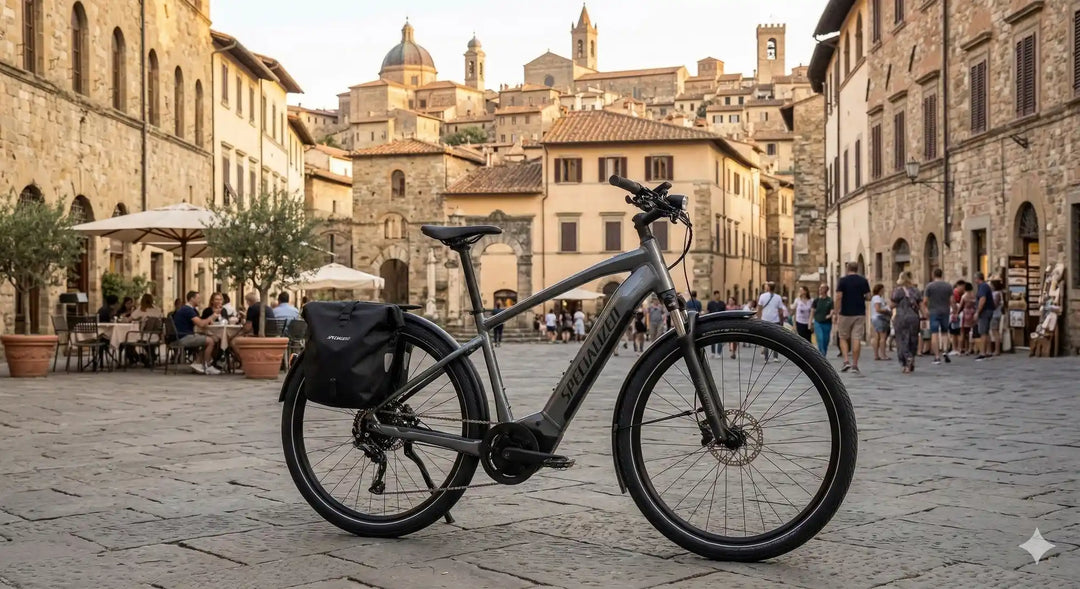
High-power e-bike kits place greater demands on battery performance than standard setups. Greater power, longer rides, and heavier loads make proper e-bike battery care essential for lasting reliability. When you have the right e-bike battery combined with practical maintenance habits, you’ll get stable power, predictable range, and dependable performance over time.
At eBikeling, we approach battery design and support with real-world riding conditions in mind. This guide explains how e-bike battery maintenance applies specifically to high-power kits, what factors influence battery lifespan, and which everyday habits make a difference over months and years of riding.
Why E-Bike Battery Maintenance Is Important for High-Power Systems
E-bike batteries experience the highest level of stress in high-power setups. Increased voltage and current draw place additional strain on battery cells during acceleration, hill climbing, and sustained riding. Over time, this stress translates into higher internal temperatures, faster chemical aging, and reduced usable capacity.
Without proper e-bike battery maintenance, even a high-quality battery can lose performance sooner than expected. Consistent care helps stabilize power delivery, preserve range, and reduce heat-related degradation, all of which directly impact a high-power e-bike’s reliability during everyday use.
Factors That Affect E-Bike Battery Lifespan
There are several factors that determine how long an e-bike battery maintains usable capacity. These apply to all e-bikes, but they’re especially important in high-power systems where demand is higher.
-
Charging behavior: How a battery is charged daily has a direct impact on cell aging. Frequent charging to 100 percent or repeated deep discharges places additional stress on lithium-ion cells. Over time, this accelerates capacity loss and shortens the battery’s effective lifespan.
-
Operating temperature: Temperature is one of the most influential factors in battery health. Excessive heat accelerates internal chemical reactions that permanently reduce capacity, while extreme cold temporarily limits performance and range.
-
Power demand and riding load: Higher-output systems draw more current during acceleration, climbing, and sustained riding. This increased demand raises internal resistance and heat generation within the battery, contributing to faster wear if not managed properly.
-
Storage conditions: Batteries stored for extended periods at full charge or near empty experience faster degradation than those stored at moderate charge levels. Improper storage is a common cause of premature battery aging, especially for seasonal riders.
-
Physical condition and connections: Loose mounts, dirty contacts, or casing damage can affect power delivery and efficiency. Over time, these issues may contribute to uneven discharge, increased resistance, or intermittent performance problems.
We know how small, repeated stresses add up, which is why we always recommend regular battery and system checks to our customers. You may also use inspection services and periodic checks to catch early signs of wear before performance declines.
E-Bike Battery Maintenance Tips for Real-World Use
E-bike battery maintenance tips should account for real-world riding conditions, not just ideal scenarios. Over time, power demand, temperature, charging habits, and physical care all influence battery health. These practical tips focus on the patterns that most often affect performance and longevity in real-world use.
Lithium-Ion Battery Behavior Over Time
Most modern e-bike batteries rely on lithium-ion chemistry for their high energy density and efficiency. A built-in battery management system helps regulate voltage, temperature, and charging behavior, but it cannot prevent natural aging. Proper battery care reduces unnecessary stress on battery cells, slowing capacity loss and helping maintain consistent performance over time.
E-Bike Battery Warning Signs
Early warning signs often appear long before complete failure, allowing riders to plan maintenance or replacement proactively. Noticeable range reduction, inconsistent power delivery, unusual heat during charging or riding, and difficulty holding a charge during storage can all signal declining battery health that needs attention.
Daily Charging and Usage
Daily charging behavior has a greater impact on battery lifespan than occasional full charges. Frequent deep discharges and constant charging to 100 percent place added strain on lithium-ion cells. You can reduce internal stress and support longer-term battery reliability by allowing the battery to cool before charging and keeping charge levels moderate during routine use.
Temperature Awareness
Temperature plays a critical role in e-bike battery maintenance, especially for high-power systems that generate more heat under load. Cold conditions may temporarily limit range, but prolonged heat accelerates permanent degradation. Ideally, you’ll want to charge and store batteries at stable, moderate temperatures to help preserve capacity and maintain predictable performance throughout the battery’s lifespan.
Physical Care and Connection Checks
E-bike battery maintenance also includes basic physical inspection. Clean electrical contacts, secure mounts, and intact battery casings support stable power delivery and safe operation. Dirt, corrosion, loose connections, or physical damage can increase resistance and contribute to uneven discharge, especially in high-power setups where electrical demands are higher.
E-bike battery care is all about consistency, not strict rules. At eBikeling, we see that riders who apply these habits gradually reduce wear, catch issues earlier, and maintain more predictable battery performance in the big picture.
Battery Replacement and Responsible Disposal

Even with careful e-bike battery maintenance, lithium-ion batteries eventually won’t work. When they need to be replaced, proper handling, storage, and disposal help ensure safety and reduce environmental impact.
-
When replacement becomes necessary: Gradual capacity loss, reduced range, and inconsistent power output often indicate the battery can no longer meet high-power riding demands.
-
Safe disposal and recycling: E-bike batteries should never go in household trash; certified recycling programs safely process lithium-ion cells and recover valuable materials.
-
Short-term storage before recycling: Store unused batteries in a cool, dry place away from heat or sunlight, keeping a moderate charge level to reduce internal stress.
-
Environmental responsibility: Proper storage and recycling reduce safety risks and support more sustainable use of e-bike components.
Handled responsibly, battery replacement and disposal protect both riders and the environment. Taking a few extra steps at the end of a battery’s life helps keep e-biking safer, cleaner, and more sustainable over time.
Getting the Most from E-Bike Battery Maintenance
E-bike battery maintenance for high-power kits is about consistency, not complexity. Moderate charging habits, temperature awareness, and proper storage significantly extend battery performance and reliability.
At eBikeling, we focus on supplying dependable batteries, components, and accessories designed to perform under real-world riding conditions. With the right maintenance approach and quality equipment, high-power e-bike systems can stay reliable, efficient, and ready for every ride.